
Views: 0 Author: Site Editor Publish Time: 2025-08-12 Origin: Site
Can you use flush hinges on internal doors? This is a question many homeowners and designers ask when considering modern hinge options. Flush hinges provide a sleek, seamless look, but are they suitable for every door type? In this post, we'll explore whether flush hinges are ideal for internal doors. You'll learn about their benefits and the types of doors that work best.
Flush hinges are a great choice for internal doors, especially when you want a sleek, modern look. These hinges sit flush with both the door and the frame, giving a clean, seamless appearance. They're particularly suitable for lightweight doors that don't require heavy-duty support. This makes flush hinges an excellent option for doors in spaces like bedrooms, offices, and closets. For example, bedroom doors often don't need heavy-duty hinges, so flush hinges offer an unobtrusive solution while maintaining a smooth operation. In office settings, flush hinges fit perfectly with the contemporary, minimalist design often sought after. Similarly, closet doors, which typically are smaller and lighter, benefit from the compact and neat look that flush hinges provide. They not only ensure easy door movement but also contribute to the overall aesthetic of the space, making them a top choice for modern interior designs.
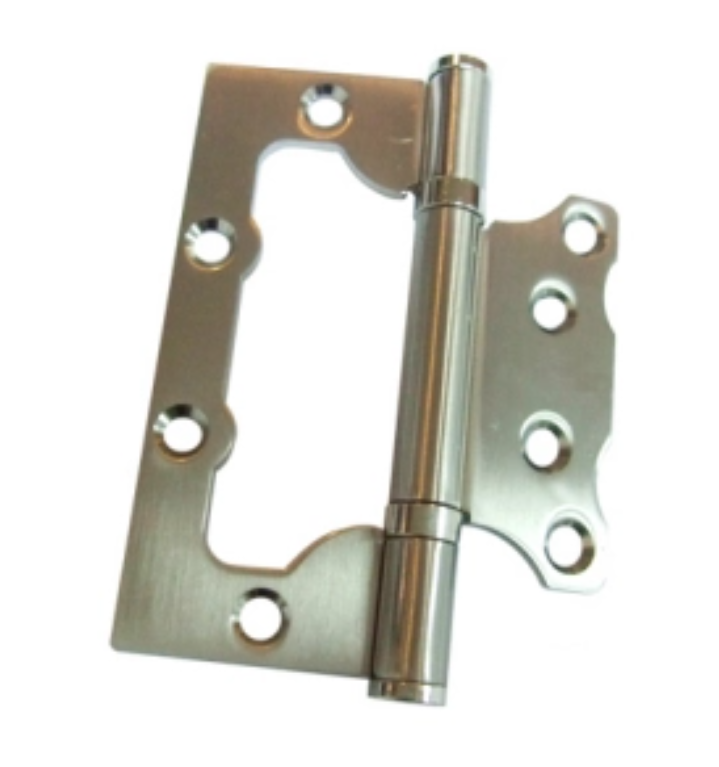
Flush hinges are an excellent option for lightweight doors, as they are designed to handle lighter loads. These hinges are perfect for doors made from materials like hollow core, thin wood, or lightweight composites, which don't require the heavy-duty support of larger, more robust hinges. Flush hinges sit snugly within the door and frame, contributing to a sleek, unobtrusive look while ensuring smooth operation. They allow for seamless door movement, making them ideal for high-traffic areas where ease of use is a priority. The compact design of flush hinges helps keep the door light and functional without sacrificing style, perfect for homes or offices with a modern aesthetic.
Flush hinges work exceptionally well with modern and contemporary door styles. These doors are often characterized by their clean lines and minimalistic designs, making flush hinges an ideal pairing. The flush design ensures that the hinges are hidden from view, creating a smooth, uninterrupted surface. This is particularly important for flat-panel doors, which have become increasingly popular in contemporary interior designs. Whether it's a door made of solid wood or a sleek composite material, flush hinges maintain the door's sleek look, contributing to an overall minimalist aesthetic. With flush hinges, doors look polished and refined, enhancing the clean, modern lines that define today's interiors.
Flush hinges are commonly chosen for commercial and office doors due to their combination of practical functionality and aesthetic appeal. In office environments, where a clean and professional appearance is essential, flush hinges are the perfect solution. They offer a minimalist design that blends seamlessly into the door, ensuring that the hardware doesn't detract from the overall look of the space. These hinges are also ideal for internal office doors that are frequently used, as they allow for smooth, quiet operation while maintaining a sleek profile. Whether in conference rooms, break rooms, or corridors, flush hinges contribute to a polished, modern atmosphere while offering the durability needed for daily use in high-traffic commercial spaces.
Flush hinges are designed for lighter doors, which means they are not ideal for heavy-duty use. These hinges are generally made from thinner materials, and their compact design makes them more suited to doors that don't put too much strain on them. When flush hinges are used on heavier doors, such as solid wood or large double doors, they may struggle to support the weight, which can lead to several problems. The hinges may wear out faster, cause the door to sag, or even result in misalignment. The added pressure on the hinges could lead to friction, making it harder to open and close the door smoothly. It's crucial to consider the weight of the door and select the appropriate hinge to ensure long-term functionality and avoid costly repairs or replacements.
If your internal doors are heavier or made from denser materials, it's a good idea to switch to stronger hinge types. Butt hinges are an excellent alternative to flush hinges for heavy doors. These hinges are typically made from stronger materials and can support the additional weight, making them ideal for thicker, solid wood doors. They are also available in different sizes to accommodate various door weights and sizes, offering greater strength and durability.
Continuous hinges, also known as piano hinges, are another strong option. These hinges run along the entire length of the door, providing even support. This even distribution of weight helps prevent the door from sagging, even with heavier, solid doors. Continuous hinges are especially beneficial in commercial or industrial settings where doors see frequent use and are subject to more wear and tear. By choosing the right hinge, you can ensure that your heavier internal doors stay aligned, operate smoothly, and remain durable over time.
Flush hinges contribute to a sleek, modern look that elevates the appearance of any internal door. Their design, which sits flush with the door and frame, allows for a clean and smooth surface with no visible hardware when the door is closed. This minimalist design helps create a more refined, elegant atmosphere in the room. Whether you're outfitting a contemporary home, office, or commercial space, flush hinges maintain the clean, polished look of modern design. For homeowners or designers who prefer subtlety and functionality combined with aesthetics, flush hinges provide the perfect balance. Additionally, because flush hinges are discreet, they allow other design features, such as the door's material or color, to stand out more, creating a sophisticated focal point in the room.
Flush hinges are not only great for their aesthetic qualities but also for their ease of installation. Unlike traditional hinges, which require a more complex installation process with deeper recesses, flush hinges need only a shallow recess. This makes them easier to install for both professionals and DIYers. If you are looking to install a door yourself, flush hinges make the process quick and straightforward. Once installed, these hinges provide smooth and frictionless operation. Your door will open and close with ease, without any squeaking or binding. The absence of protruding parts also means there's less chance of wear and tear, contributing to the longevity of the door and hinges. The simplicity of their design and function makes flush hinges an appealing option for those who want hassle-free installation and long-lasting performance.
Flush hinges are particularly beneficial in smaller spaces where every inch counts. Traditional hinges can protrude and take up valuable space, which may be a concern in narrow hallways or rooms with limited space. Flush hinges, however, sit completely within the door and frame, ensuring a compact and neat fit. This makes them perfect for internal doors in apartments, offices, or other areas where maximizing space is essential. In homes or buildings with tight or narrow doorways, flush hinges provide a smooth, unobtrusive operation that keeps the door aligned without taking up extra space. Additionally, their ability to sit flush means there's less chance of the door catching or obstructing other objects when it swings open, further enhancing space efficiency. Whether it's a closet, bathroom, or office door, flush hinges help create a more spacious and organized environment, making them ideal for any space-conscious design.

One common issue with flush hinges is binding, which happens when the hinge doesn't function smoothly. This often occurs if the door or frame isn't aligned properly, or if the recess isn't deep enough for the hinge to sit flush. To fix this, make sure the recess is cut to the correct depth. Use a chisel to create an even space for the hinge, ensuring it's perfectly aligned. If the door and frame are misaligned, adjust them so they're level, and check the hinge placement before securing it.
Flush hinges are designed for lightweight doors, and putting heavy doors on them can cause problems. The hinges may not provide enough support, leading to wear and potential failure over time. If you attempt to use flush hinges on a heavy door, the hinges might bend or break. To avoid this, make sure to use flush hinges only on doors that are within the weight limits specified by the manufacturer. For heavier doors, consider using more robust hinges, such as butt or continuous hinges, which can handle the additional load.
Sometimes, flush hinges can lead to uneven door closure, especially if the hinges aren't installed properly or if the door is too heavy. When the hinge is not perfectly aligned, the door may not close smoothly or completely. To solve this, check the hinge placement and ensure it's installed correctly. You may need to adjust the recess depth or reposition the hinge slightly. Additionally, make sure the door is level and fits evenly within the frame. If the problem persists, reinforcing the door with additional hinges or using a different hinge style might help.
To ensure your flush hinges operate smoothly, regular lubrication and cleaning are essential. Over time, dirt and grime can accumulate, causing the hinges to stiffen and making the door harder to open or close. Clean the hinges periodically with a soft cloth to remove dust and debris. Use a mild soap solution or a gentle cleaner to wipe down the hinges. After cleaning, apply a small amount of lubricant, like silicone spray or a light machine oil, to the moving parts. This helps maintain smooth movement and prevents rust or corrosion from developing. Be sure to wipe off any excess lubricant, as it can attract more dirt and cause buildup over time.
It's important to regularly check your flush hinges for signs of wear and tear. Over time, hinges may loosen or begin to wear down, especially if they're handling more weight than they were designed for. Look for visible signs such as cracks, bends, or rust. Additionally, pay attention to how the door moves. If it starts sticking, squeaking, or doesn't close properly, it could be a sign the hinges are no longer functioning optimally. Tighten any loose screws and replace any damaged parts. If the hinge has excessive wear or the door is misaligned, it may be time to replace the hinges to ensure proper function. Regular inspections will help you catch small issues before they turn into bigger problems.
Flush hinges are a great choice for internal doors, especially for modern, lightweight designs. They offer a clean, sleek look and easy installation. However, it's important to use them within their weight limits to avoid issues like misalignment or wear. Always ensure the right hinge is selected for your door type to ensure smooth operation and long-lasting durability. If you need further advice, don't hesitate to contact Johon to help you make the best choice for your needs.
A: Flush hinges sit flush with the door and frame, offering a clean, seamless look. Concealed hinges are hidden when the door is closed, creating a minimalist appearance with no visible hardware, often used for cabinet doors.
A: Flush hinges are not recommended for exterior doors, especially heavy ones. They are better suited for lightweight internal doors. For exterior doors, stronger hinges like butt or continuous hinges are more suitable.
A: Flush hinges are designed for lightweight doors. The weight limit depends on the hinge's material, but they typically support doors weighing between 10-20 kg. Heavier doors require sturdier hinges.
A: No, flush hinges are designed to sit within the door and frame, making them invisible when the door is open, providing a clean, modern look.
 English


