
Views: 0 Author: Site Editor Publish Time: 2025-11-27 Origin: Site
Cabinet hinges play a crucial role in ensuring that your cabinets operate smoothly and securely. Among the various types and features of cabinet hinges, one term you may have encountered is “overlay.” Whether you are a seasoned professional in the cabinetry field or a DIY enthusiast looking to upgrade your kitchen or bathroom cabinets, understanding overlay on cabinet hinges is essential. In this article, we’ll explore what overlay means, how it affects cabinet function, and why it is important to consider when choosing the right hinges for your cabinets.
Before we dive into overlay, let’s first clarify what cabinet hinges are and the role they play in cabinet construction. Cabinet hinges are the mechanical components that allow doors to open and close smoothly. There are several types of hinges, each serving a different function, such as concealed hinges, European hinges, surface-mount hinges, and pivot hinges. Each type is designed to provide a different range of motion and functionality, depending on how the cabinet door needs to operate.
Cabinet hinges are typically made from metal, often stainless steel, brass, or other durable alloys, to withstand frequent use. When selecting cabinet hinges, factors like door weight, size, and opening angle are key considerations. One important factor that often gets overlooked is overlay, which refers to how much the cabinet door overlaps the cabinet frame when closed.
Overlay refers to the portion of the cabinet door that covers or overlaps the cabinet frame when the door is closed. In simpler terms, it describes how much of the cabinet’s frame is hidden by the door. Understanding overlay is important when selecting cabinet hinges because it directly affects the door’s appearance, functionality, and the type of hinge needed.
There are three main types of overlay configurations: full overlay, half overlay, and inset. Each configuration determines how much of the cabinet frame is visible when the door is closed, and it also dictates the type of hinge you should use for optimal performance.
A full overlay refers to a cabinet door that completely covers the cabinet frame when closed, hiding all or most of the frame. This type of overlay is commonly used for modern, sleek cabinet designs, where a clean, uninterrupted look is desired. Full overlay doors provide the most coverage, meaning they will cover the entire cabinet opening when closed.
For this type of configuration, concealed hinges or European hinges are often used, as they allow for a smooth, hidden look while also providing a wider range of movement. Full overlay hinges are ideal for cabinets where space efficiency is key, such as in kitchens or bathrooms, where maximizing storage is important without sacrificing aesthetic appeal.
Half overlay hinges are used when the cabinet door overlaps the frame by about half of its width, typically resulting in a door that covers only part of the frame when closed. This is a common configuration for more traditional cabinet designs where the goal is to allow part of the cabinet frame to remain visible while still providing a functional door.
For half-overlay cabinet doors, butt hinges or semi-concealed hinges can be used, as they allow for a slightly less concealed opening while still maintaining a clean look. Half overlay hinges are often chosen when a balance between visible frame and complete coverage is desired, providing a more classic or rustic aesthetic to the cabinetry.
Inset hinges, on the other hand, are used when the cabinet door is recessed into the cabinet frame, meaning the door sits inside the frame when closed. This is typically seen in more traditional or antique-style cabinets, where the door does not overlap at all, creating a refined and timeless appearance.
Inset hinges usually require a different set of hinge configurations, such as butterfly hinges or European inset hinges, that are designed to allow the door to be recessed into the frame. This style provides a tight, clean finish, but it is often more complex to install and requires precise measurements to ensure the door fits properly within the frame.
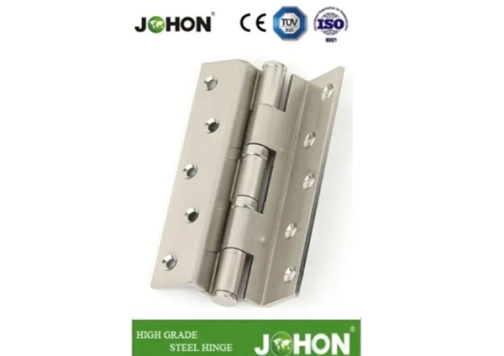
Understanding overlay is crucial for several reasons, from aesthetics to functionality. Here are some of the key factors to consider when choosing the right overlay for your cabinet hinges:
The overlay you choose will significantly impact the overall look and feel of your cabinets. Full overlay hinges, for example, are often used in contemporary designs for their clean, streamlined look. Half overlays, on the other hand, are common in more traditional or rustic cabinet styles, allowing for a mix of visible woodwork and modern finishes. Inset doors, with their recessed appearance, are ideal for classic designs that evoke an antique, custom look.
Different overlay types can influence the design and layout of your cabinets. For instance, a full overlay may offer a modern, minimalistic look with no visible frames, which can be ideal in kitchens with sleek, contemporary designs. A half overlay, while still offering a clean look, allows for a bit more visibility of the cabinet frame, which may be desired in designs that incorporate decorative details.
Inset hinges, while offering a traditional appearance, require precise measurements and craftsmanship, as the door must sit perfectly within the frame. This can be a more complex and costly option but is often chosen for high-end custom cabinetry.
The type of overlay you choose can also affect how far the door swings open. Full overlay doors typically allow for a wider range of motion, providing easier access to the contents of the cabinet. Half-overlay doors may have a more restricted opening angle but still allow for plenty of access. Inset doors, due to their recessed nature, can often have limited clearance and may not open as widely, which is a consideration when choosing this configuration.
Additionally, the type of hinge used for each overlay configuration will determine the exact opening angle and range of movement. Full-overlay hinges, such as European hinges, typically provide a full 110–180 degree range of motion, allowing for maximum access to the cabinet interior.
Different overlay configurations require different installation techniques. Full overlay doors usually require precise measurements to ensure that the doors align properly and that the hinges are correctly placed. Half-overlay hinges are generally easier to install because they allow for some leeway in the placement of the door.
Inset doors, however, require the most precise measurements and often need custom-made hinges. These installations require attention to detail to ensure the door is properly aligned with the frame and operates smoothly.
When selecting brass fittings and hinges for cabinets, it’s important to consider not just the overlay configuration but also the specific materials and quality of the fittings. Brass is a popular choice due to its durability, corrosion resistance, and timeless aesthetic. High-quality brass fittings, such as those provided by Zhejiang Zhenghong Hardware Co.,Ltd, are engineered to provide a seamless and long-lasting solution for your cabinetry needs.
The brass fittings from Zhejiang Zhenghong Hardware Co.,Ltd. are known for their precision and reliability, offering custom solutions that are tailored to meet the unique needs of various cabinet designs. Whether you're opting for full overlay, half overlay, or inset configurations, their products ensure the functionality and longevity of your cabinet doors, contributing to both aesthetics and performance.
In conclusion, overlay on cabinet hinges plays a pivotal role in both the design and functionality of cabinet doors. Whether you choose a full overlay, half overlay, or inset configuration, understanding the relationship between the hinge and the door is essential for creating a cabinet system that meets both your aesthetic and practical needs. Brass fittings are a durable and reliable choice for securing these doors, and choosing the right brass fittings is key to ensuring a smooth and long-lasting operation.
If you are considering updating your cabinetry or are in need of high-quality brass fittings for your cabinet doors, it’s highly recommended to explore the offerings of Zhejiang Zhenghong Hardware Co.,Ltd With our expertise in providing customized solutions, you can find exactly what you need for a seamless, long-lasting cabinet installation. Reach out to them to discover how their products can elevate your cabinet projects and ensure superior performance and durability.
1. What is overlay in cabinet hinges?
Overlay refers to the portion of the cabinet door that overlaps or covers the cabinet frame when the door is closed. It determines how much of the frame is hidden by the door.
2. What is the difference between full overlay and half overlay hinges?
A full overlay means the cabinet door covers the entire frame, while a half overlay only partially covers the frame, leaving some of it exposed.
3. Can I use brass compression fittings for my cabinet doors?
Yes, brass compression fittings are often used in cabinet doors for their strength, durability, and resistance to corrosion, providing long-lasting and reliable performance.
4. How do I choose the right overlay for my cabinet doors?
The right overlay depends on your design preference and the amount of cabinet frame you want visible. Full overlay is common in modern designs, while half overlay or inset is preferred in traditional or classic designs.
 English


