
Views: 0 Author: Site Editor Publish Time: 2026-03-11 Origin: Site
When it comes to choosing the perfect hinges for your doors, the material you choose plays a significant role in both the functionality and aesthetic appeal of your project. Polished brass is one of the most popular choices for door hinges due to its elegance and long-lasting properties. However, there are important distinctions between lacquered and unlacquered polished brass hinges that can impact their performance, appearance, and maintenance. In this article, we will delve into the key differences between lacquered and unlacquered polished brass hinges, helping you make an informed decision based on your specific needs and preferences.
The term "lacquered" refers to the protective coating applied to the surface of polished brass hinges. This coating is typically clear and acts as a shield against tarnishing, corrosion, and wear over time. Lacquered brass is commonly used in both residential and commercial applications for its durability and ease of maintenance.
The lacquer applied to brass hinges creates a thin, clear barrier that protects the brass surface from the elements. The lacquer helps to preserve the brass’s shiny, polished appearance, preventing it from oxidizing or tarnishing. Over time, exposure to air, moisture, and oils from fingers can cause unprotected brass to lose its lustrous shine. Lacquered brass, however, maintains its gleaming surface for much longer, making it an ideal choice for high-traffic areas where aesthetics matter.
The lacquer used on brass hinges is typically made from acrylic or polyurethane materials, both of which are known for their durability and ability to resist moisture and other environmental factors. These lacquers are designed to be transparent, allowing the natural beauty of the polished brass to shine through while providing essential protection. The lacquer coating also helps to reduce the frequency of cleaning and maintenance, making it a more practical option for many homeowners and businesses.
In contrast to lacquered brass hinges, unlacquered polished brass hinges are left untreated, allowing the brass to naturally develop a patina over time. This option is particularly popular among those who prefer the authentic aging process of brass and appreciate the unique, natural look that evolves with time.
One of the defining characteristics of unlacquered polished brass is its tendency to develop a natural patina. As the brass reacts with oxygen, moisture, and oils, it gradually changes color, evolving from a shiny, golden finish to a darker, more muted hue. Many people find this patina process appealing, as it adds character and uniqueness to each hinge. This natural aging process is often associated with vintage and antique décor, making it a favorite among designers working on restoration projects or those looking for a more rustic aesthetic.
While unlacquered polished brass hinges offer a distinctive look, they do require more maintenance compared to their lacquered counterparts. Since the surface is unprotected, the brass will tarnish over time, requiring regular cleaning and polishing to maintain its appearance. Some people may find this added upkeep tedious, while others embrace it as part of the charm of unlacquered brass. Regular polishing can help slow down the patina development and maintain a shiny surface for longer, but the brass will eventually develop a more aged, weathered look regardless of maintenance.
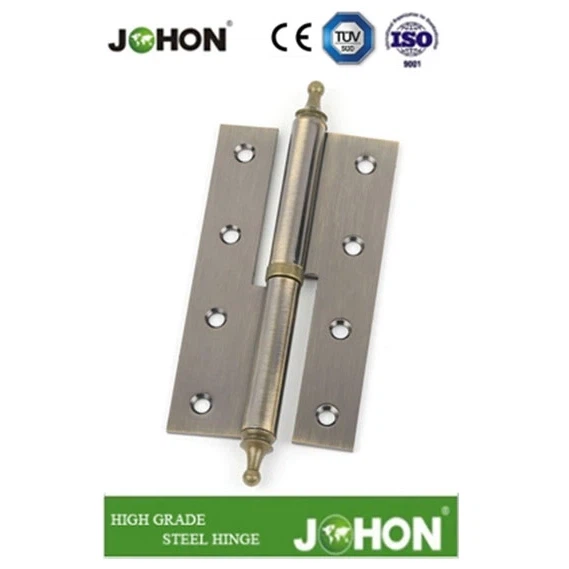
The choice between lacquered and unlacquered polished brass hinges ultimately boils down to personal preference and the desired aesthetic for your doors. The appearance of brass hinges can significantly influence the overall design of a room or building, so it’s important to consider how each option aligns with your interior style.
Lacquered brass offers a uniform, high-gloss finish that reflects light beautifully. The lacquer creates a smooth, shiny surface that maintains its consistent appearance over time. This type of finish is ideal for modern and contemporary designs where a polished, elegant look is desired.
On the other hand, unlacquered brass features a more varied gloss level due to the natural aging process. As the brass develops its patina, the gloss may dull, and the surface may take on a more matte appearance. This irregular finish is often appreciated by those who want to incorporate a sense of history or uniqueness into their spaces. Unlacquered brass lends a more organic, rustic touch to doors, which can be particularly striking in traditional, vintage, or industrial-themed interiors.
The aesthetic impact of lacquered vs. unlacquered polished brass hinges depends largely on the intended style and atmosphere of the space. Lacquered brass is a great choice for high-end residential properties, luxury hotels, or commercial buildings where consistency, cleanliness, and sophistication are key priorities. The uniform, shiny finish adds a refined and upscale look to any door.
In contrast, unlacquered polished brass is well-suited for vintage or retro-inspired designs, where the character and aging process of the material can add depth and authenticity to the space. The natural patina gives the hinges a warm, lived-in feel, which is especially popular for interior designs with a more eclectic or nostalgic vibe.
To help you understand the differences between lacquered brass and unlacquered brass hinges, we’ve compiled a quick comparison table that highlights their key features:
Feature | Lacquered Brass | Unlacquered Brass |
Surface Protection | ✔ High | ✘ None |
Tarnishing Over Time | ✘ Minimal | ✔ Yes |
Maintenance | ✘ Low | ✔ Regular Polishing |
Ideal Environment | High Humidity | Dry Interiors |
Look | Uniform Gloss | Natural Evolution |
This table summarizes the core differences between the two options. While lacquered brass offers better protection and lower maintenance, unlacquered brass is preferred by those who appreciate the natural aging process and unique patina.
The choice between lacquered and unlacquered brass hinges depends on several factors, including the environment in which the hinges will be used, the type of door, and the desired aesthetic. Different settings may call for different hinge finishes.
For high-traffic residential settings, such as entry doors or kitchen doors, lacquered brass hinges are often the better option. The lacquered finish provides long-lasting protection against moisture, oils, and daily wear, ensuring that the hinges maintain their polished appearance despite frequent use. Additionally, the low-maintenance nature of lacquered brass makes it ideal for households that prefer minimal upkeep.
For luxury interiors or custom projects, unlacquered brass hinges may be the preferred choice, especially in vintage or bespoke designs. The natural patina that develops over time adds character and authenticity to the space, making it a perfect choice for historical renovations or high-end, personalized projects. While these hinges require more maintenance, their ability to age gracefully and develop a unique appearance is highly valued in custom design.
Choosing between lacquered and unlacquered polished brass hinges ultimately depends on your specific needs, preferences, and the aesthetic vision for your space. Lacquered brass offers superior protection, a consistent glossy finish, and low-maintenance care, making it an excellent choice for high-traffic or humid environments. Unlacquered brass, on the other hand, is perfect for those seeking a more rustic or vintage aesthetic, allowing the brass to develop a unique patina over time.
At JOHON Hinges, we offer both lacquered and unlacquered brass hinges to suit a wide range of design preferences and practical needs. Whether you’re looking for elegant, long-lasting performance or a more organic, timeless look, brass hinges are an investment that will enhance the durability and beauty of your doors for years to come.
For more information or to inquire about our brass door hinges, please contact us today. Our expert team at JOHON is here to help you select the perfect hinge solution for your next project.
What is the difference between lacquered and unlacquered polished brass?
Lacquered brass has a protective coating that prevents tarnishing, while unlacquered brass naturally develops a patina over time.
Which type of brass hinge is better for high-humidity environments?
Lacquered brass is better suited for high-humidity environments as the protective lacquer helps prevent tarnishing and corrosion.
How do I maintain unlacquered polished brass hinges?
Unlacquered brass hinges require regular cleaning and polishing to maintain their shine and delay the patina process.
Can I use lacquered brass hinges for exterior doors?
Yes, lacquered brass is a great choice for exterior doors, as the lacquered finish provides protection against the elements.
 English


