
Views: 0 Author: Site Editor Publish Time: 2026-03-16 Origin: Site
Choosing the right door hinges for your home is crucial not only for aesthetic reasons but also for ensuring that your doors function properly and last for years. With so many types of hinges available in the market, it can be overwhelming to decide which one best suits your needs. In this article, we’ll guide you through the process of selecting the perfect door hinges, from understanding your door’s needs to choosing the right materials, finishes, and hinge types. By the end, you’ll have a clearer understanding of how to make the best hinge choice for your home.
Before you start exploring different door hinges, it’s essential to assess the specific needs of your door. Each door type, size, and application will require different hinge specifications. Understanding these aspects will help you select the right hinge that not only matches your design vision but also ensures smooth functionality and long-lasting durability.
The weight and size of your door are two of the most important factors in determining which type of door hinge to choose. A heavier door, such as a solid wood or metal door, requires a sturdier hinge that can support its weight without compromising performance. For lightweight doors, a standard hinge might suffice, but for heavier doors, it’s crucial to select hinges that are designed to bear a greater load, such as ball bearing hinges.
Heavier doors generally require hinges with higher load capacities to prevent sagging over time. Ball bearing hinges, for example, are specifically designed to handle the extra weight of larger doors, providing better support and smoother operation.
Another consideration when selecting door hinges is whether the door will be used indoors or outdoors. Outdoor doors are exposed to more extreme weather conditions, such as moisture, humidity, and direct sunlight, which can cause wear and corrosion. For outdoor doors, it is important to choose weather-resistant hinges, such as stainless steel hinges or brass hinges, which are known for their ability to withstand harsh weather conditions.
Indoor doors, on the other hand, are not exposed to the same level of environmental stress, so the hinge material can be selected based on aesthetic preferences and functionality rather than weather resistance. Indoor door hinges may not need to be as heavy-duty as those used for exterior doors, depending on the door’s weight and usage.
The material of the door hinge plays a significant role in both the hinge’s strength and appearance. Different materials offer various benefits, such as corrosion resistance, strength, and aesthetic appeal. Understanding the strengths and weaknesses of different hinge materials will help you choose the best option for your door.
Brass Hinges: Brass is a popular choice for both interior and exterior doors. Known for its aesthetic appeal, brass has a warm, golden hue that complements various door styles. It is also naturally resistant to corrosion, making it ideal for both residential and commercial applications. However, brass hinges may require more maintenance compared to other materials, especially when exposed to outdoor conditions.
Steel Hinges: Steel is a strong and durable material that can support heavy doors. Steel hinges are widely used in residential and commercial applications for their strength and reliability. However, steel is prone to rusting when exposed to moisture, so it is best suited for indoor doors or applications with controlled environments.
Stainless Steel Hinges: Stainless steel is one of the most popular materials for door hinges because of its superior corrosion resistance. Stainless steel hinges are perfect for outdoor doors or doors in high-humidity areas, as they are highly resistant to rust, moisture, and wear. Stainless steel also has a sleek, modern appearance that works well with contemporary or industrial-style doors.
If you are selecting hinges for outdoor doors or areas prone to moisture (such as bathrooms or kitchens), weather-resistant materials are essential. Stainless steel and brass are ideal for these applications because they will not rust or corrode over time. If you're looking for a hinge that can withstand outdoor elements, make sure it is made from a material specifically designed for weather resistance.
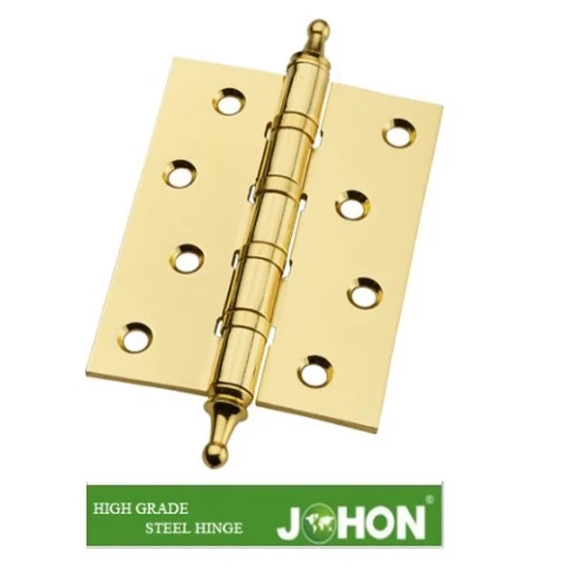
The aesthetic appeal of door hinges can make a big difference in the overall look of your door. A well-chosen hinge can enhance the style of the door and complement the surrounding décor. There are several finishes available for door hinges, and each offers a different visual effect.
Polished Brass: This finish is shiny and reflective, creating a luxurious look for high-end residential doors. Polished brass is particularly popular for interior doors in traditional or classic designs.
Satin Brass: For a more understated appearance, satin brass provides a softer, matte finish. It is ideal for modern or minimalist door designs that need a more subtle look.
Stainless Steel: Stainless steel has a sleek, contemporary appearance that works well in modern or industrial interiors. It is often used in contemporary homes, offices, and commercial spaces.
Antique Finishes: For a more vintage or rustic look, antique finishes such as aged brass or oil-rubbed bronze are great options. These finishes add character and warmth to doors, making them suitable for historical or eclectic interior designs.
When selecting door hinges, it’s important to consider the style of the door handles and locks to ensure they complement each other. The finish of your hinges should match or complement the finish of your door hardware. For example, if your door handles are made of polished chrome, you might want to choose stainless steel hinges to create a cohesive look. Similarly, brass hinges pair well with brass handles, creating a unified, coordinated aesthetic.
Choosing the best door hinge depends on various factors, such as the weight of the door, the material of the door, and the environment in which it will be used. The following table provides a quick guide to help you determine the best hinge type for different door scenarios:
Door Scenario | Best Material | Recommended Hinge Type | Notes |
Front Entry | Stainless / Brass | Ball Bearing | Heavy use, exterior doors |
Bedroom Door | Brass | Standard | Light use, interior doors |
Patio Door | Weather-Resistant Steel | Ball Bearing | Moisture exposure, exterior doors |
Interior Closet | Brass / Steel | Standard | Cost-effective, interior use |
This table shows you the ideal door hinge material and type based on the specific needs of different doors. Whether you need heavy-duty hinges for a front entry door or standard hinges for a bedroom door, this guide will help you make the right choice.
Proper installation and maintenance are crucial to ensure that your door hinges function correctly and last for many years.
Ensuring that the hinges are aligned properly during installation is essential for smooth operation. Misaligned hinges can cause doors to stick, swing unevenly, or even cause damage to the door frame over time. When installing door hinges, make sure that the hinge leaves are evenly spaced and aligned to allow for optimal movement.
To keep your door hinges in good working order, regular maintenance is necessary. For ball bearing hinges, this may involve occasional cleaning and lubrication to ensure that the ball bearings continue to function smoothly. For brass hinges, periodic polishing may be required to maintain their appearance and prevent tarnishing, especially in outdoor applications. Make sure to inspect the hinges regularly for signs of wear and tear and replace them when necessary.
Selecting the right door hinges for your home requires careful consideration of factors such as door size, weight, material, and aesthetic preferences. By understanding your door’s specific needs and choosing the appropriate material and hinge type, you can ensure that your doors function smoothly and last for years to come. Whether you're installing doors for high-traffic areas or creating a stylish, custom look for your home, the right hinges can make all the difference.
At JOHON Hinges, we provide a wide range of high-quality door hinges to suit every need and style. With over 30 years of experience in hinge manufacturing, we offer the expertise to help you choose the best solution for your project.
For more information or to inquire about our door hinges, please contact us today. Our team is ready to assist you in selecting the perfect hinge for your needs.
What is the best material for front entry door hinges?
For front entry doors, stainless steel or brass are ideal materials due to their durability and weather resistance. Ball bearing hinges are recommended for heavy use.
Do I need special hinges for heavy doors?
Yes, heavier doors require ball bearing hinges to support the weight and ensure smooth, reliable operation.
How often should I maintain my door hinges?
Regular maintenance is important. Ball bearing hinges need occasional cleaning and lubrication, while brass hinges may need polishing to prevent tarnishing.
Can I use the same hinge type for both interior and exterior doors?
No, exterior doors require weather-resistant hinges like stainless steel, while interior doors can use standard hinges like brass.
 English


