
Views: 0 Author: Site Editor Publish Time: 2025-12-05 Origin: Site
As a commercial furniture designer, selecting the right hardware for your pieces is just as important as choosing the right materials and finishes. One often overlooked but essential component in cabinet design is the hinge. Cabinet hinges not only serve a functional purpose but also contribute significantly to the overall aesthetics, durability, and performance of the furniture.
In this guide, we will explore the various types of cabinet hinges, their functions, and how to choose the best option for your designs. We will also discuss considerations for hinge materials, installation tips, and trends in modern furniture design. By the end of this article, you will have a clearer understanding of how to select the perfect cabinet hinge for your commercial furniture projects.
Cabinet hinges are mechanical devices used to connect a door to a cabinet frame, allowing the door to open and close. While their primary function is to facilitate the movement of the door, hinges also contribute to the overall durability, safety, and aesthetics of the furniture. A well-chosen hinge will ensure smooth operation and longevity, while the wrong hinge can lead to poor functionality, damaged doors, and a decrease in the quality of your product.
When choosing cabinet hinges, it’s important to keep in mind both the practical and design considerations. The hinge should allow the door to open smoothly, fit the weight and size of the door, and match the style of the cabinet. The right hinge will not only enhance the performance of the cabinet but also contribute to its overall appearance.
There are several types of cabinet hinges available, each designed to meet specific needs in furniture design. Understanding these options will help you choose the best one for your project.
Butt hinges are the most common type of hinge used in traditional cabinetry. These hinges are typically simple in design, consisting of two interlocking metal pieces. One piece is attached to the door, and the other is attached to the frame. When the door is opened, the hinges allow it to pivot along a single axis. Butt hinges are available in a variety of sizes, materials, and finishes, making them versatile for both commercial and residential cabinetry.
Advantages: Simple, durable, and easy to install. Butt hinges are cost-effective and work well with most door styles.
Best Use: Ideal for traditional cabinet designs, such as kitchen cabinets and office furniture.
European hinges, also known as concealed or hidden hinges, are designed to be invisible when the cabinet door is closed. These hinges are mounted on the inside of the cabinet and are typically used in modern, minimalist furniture designs. European hinges are adjustable, offering precision and flexibility in aligning doors. These hinges are often used in kitchen and bathroom cabinets where clean lines and a hidden mechanism are desired.
Advantages: Concealed hinges provide a clean, seamless look and are fully adjustable for precise door alignment. They are ideal for modern designs.
Best Use: Perfect for contemporary and high-end commercial furniture, especially where aesthetics and functionality are both important.
Overlay hinges are used when the cabinet door partially or fully overlaps the cabinet frame. They allow the door to cover part of the cabinet frame, giving it a more finished appearance. Overlay hinges are commonly found in kitchens and bathrooms and are available in both concealed and exposed styles.
Advantages: They offer a great way to create a sleek, seamless look while still ensuring durability and easy door operation. Overlay hinges are versatile and work with various door sizes and configurations.
Best Use: Great for cabinets where the door covers the cabinet frame, such as in face-frame cabinetry.
Inset hinges are used for cabinets where the door sits inside the cabinet frame, creating a flush, inset design. These hinges are perfect for traditional cabinet styles, where doors are mounted to open inward, creating a more classical look.
Advantages: Inset hinges are ideal for creating a traditional, symmetrical cabinet look. They are often used in antique or vintage-style furniture and offer a secure, stable fit.
Best Use: Suitable for high-end, traditional furniture or custom-built cabinetry.
Pivot hinges allow the door to rotate around a central axis, making them ideal for heavy doors that need to swing open without taking up too much space. These hinges are often used in large or heavy-duty cabinets, as they allow for smooth, easy movement without placing too much strain on the door or frame.
Advantages: Pivot hinges provide a more unique, stylish look and are great for heavy or custom-sized doors. They are durable and provide smooth operation even for large doors.
Best Use: Perfect for large cabinets, wardrobes, and custom-designed furniture pieces where the door needs to swing fully open.
Continuous hinges, also known as piano hinges, run the entire length of the door, providing strong and even support. These hinges are often used in commercial applications where durability and strength are needed. Continuous hinges are particularly suitable for large, heavy doors that experience a lot of use, such as in industrial furniture or cabinetry.
Advantages: Extremely strong and durable, providing support for large or heavy doors. They distribute the weight evenly across the door and frame.
Best Use: Ideal for commercial and industrial furniture, such as filing cabinets, or any piece requiring extra strength.
The material of the cabinet hinge plays an important role in its durability, functionality, and appearance. When selecting hinges for your furniture designs, it’s important to choose materials that not only match the aesthetics of the piece but also provide long-lasting performance.
Common Hinge Materials:
Brass: Brass is a popular choice for hinges, offering a classic look and high resistance to corrosion. Brass hinges are often used in traditional and vintage-style cabinetry.
Stainless Steel: Stainless steel is highly durable, corrosion-resistant, and suitable for both modern and industrial designs. It’s perfect for commercial furniture due to its strength and longevity.
Zinc Alloy: Zinc alloy is often used for budget-friendly hinge options. While not as durable as stainless steel or brass, zinc alloy can still provide good performance in lighter-duty applications.
Aluminum: Aluminum is a lightweight and corrosion-resistant material, ideal for use in modern, minimalist designs. It is less durable than steel but offers a sleek and contemporary appearance.
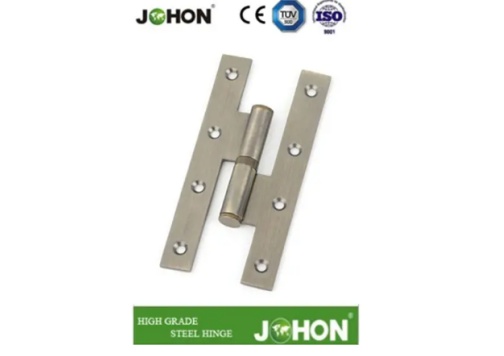
When choosing the right hinge for your cabinet design, consider the following factors:
Style: The hinge should match the overall aesthetic of the cabinet. For modern designs, consider European hinges or concealed hinges for a sleek look. For traditional designs, brass or decorative butt hinges might be more suitable.
Durability: If your design involves heavy doors or high-traffic areas, opt for stronger hinges, such as continuous hinges or pivot hinges, which offer superior support.
Functionality: Think about how the cabinet will be used. Will the door need to open 180 degrees, or do you need a soft-close feature? Certain hinges provide more flexibility and adjustments to cater to these needs.
Finish: Choose a hinge finish that complements the overall cabinet design. A polished nickel finish might suit modern designs, while antique brass finishes are great for more rustic, vintage-style pieces.
Proper installation is crucial for ensuring the longevity and smooth operation of your cabinet hinges. Here are a few tips to help with both installation and maintenance:
Installation Tips:
Correct Alignment: Ensure that the hinge is installed at the correct angle to prevent stress on the door or frame. Misalignment can cause doors to sag or not close properly.
Pilot Holes: Always drill pilot holes before installing screws to avoid splitting the wood and ensure a secure fit.
Use Quality Screws: High-quality screws prevent stripping and ensure the hinge stays securely attached over time.
Maintenance Tips:
Lubricate Hinges Regularly: To keep hinges moving smoothly, apply a lubricant like WD-40 or silicone spray. This will help prevent rust and ensure quiet operation.
Tighten Loose Screws: Regularly check the hinges for loose screws, as loose hinges can lead to sagging doors and poor functionality.
Clean Hinges: Periodically clean the hinges to prevent the buildup of dust and grime, which can affect their performance.
Choosing the right cabinet hinge is essential for both the functionality and aesthetic of your furniture designs. Understanding the different types of hinges, materials, and installation techniques will help you create pieces that not only look great but also stand the test of time. Whether you're designing high-end commercial furniture or creating custom cabinetry, selecting the appropriate hinge is key to ensuring the doors operate smoothly and maintain their appearance.
At Zhejiang Zhenghong Hardware Co.,Ltd, we are committed to providing high-quality cabinet hardware solutions that support your design needs. Our extensive range of hinges and furniture hardware is designed to meet the demands of commercial furniture designers, ensuring durability and performance. To learn more about our products and how we can help enhance your designs, please visit Zhejiang Zhenghong Hardware Co.,Ltd. Feel free to contact us today for more information or to explore our full selection of hinges and other hardware solutions for your commercial projects.
 English


