
Views: 0 Author: Site Editor Publish Time: 2025-12-02 Origin: Site
Choosing the right hinges for your cabinet doors is not just about functionality—it's also about style, durability, and ensuring that everything works seamlessly for years to come. The right hinge can make all the difference in the longevity of the cabinet, the smoothness of its operation, and its aesthetic appeal. Whether you're building cabinets for a kitchen, bathroom, or living room, this guide will help you navigate the critical factors to consider when selecting cabinet door hinges.
Before diving into specifics, it's essential to understand the various types of cabinet hinges available on the market. Each hinge type has its own set of features that make it suitable for specific applications.
Concealed hinges, also known as European hinges, are hidden when the cabinet door is closed, offering a clean and modern look. These hinges are commonly used in contemporary designs and are often adjustable, which helps with door alignment. Concealed hinges are ideal for cabinets where the appearance of hardware needs to be minimal.
Overlay hinges are used when the door completely covers the cabinet frame. These hinges are most often found in cabinets with a full-overlay door design, where the door overlays the frame on all sides. Overlay hinges can be mounted on either the face frame or the cabinet side, depending on the design.
Inset hinges are used when the cabinet door fits inside the cabinet frame, giving a traditional and symmetrical appearance. These hinges are mounted on the inside of the cabinet, and the door is designed to sit flush with the cabinet frame. They are commonly found in vintage and antique-style cabinets.
Also known as piano hinges, continuous hinges are long, continuous pieces that run the full length of the cabinet door. These hinges are designed to support heavier doors and are ideal for larger cabinets or those with unique shapes. They are often used in commercial applications where durability is crucial.
Selecting the right cabinet door hinge involves much more than just picking one that fits the door. The hinge you choose plays a crucial role in the door's function, longevity, and the overall aesthetic of your cabinetry. Key factors, such as the door's weight, material, style, and intended use, must all be carefully considered. This comprehensive checklist outlines the critical factors to ensure that you select the perfect hinge for your cabinet doors.
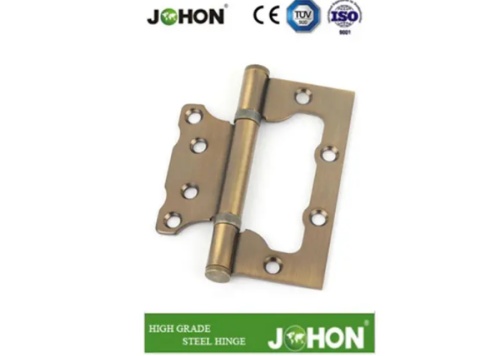
Selecting the right hinge requires more than just picking one that fits. It involves considering the door's weight, the cabinet's material, and the door's intended use. Here's a checklist of important factors to ensure you choose the best hinge for your cabinet doors.
The weight of the cabinet door is one of the most critical factors when determining the type of hinge to use. Heavier doors, such as those made from solid wood, large glass panels, or metal, require more robust hinges capable of handling the added weight. On the other hand, lighter doors, such as those made from MDF, thinner wood, or laminated materials, may only require lighter hinges.
Heavy Doors: For heavy doors, look for hinges that provide a strong load capacity, such as concealed or continuous hinges. These hinges are designed to support more weight and provide better stability. Continuous hinges, which run the entire length of the door, are especially ideal for very heavy doors, offering even weight distribution.
Lightweight Doors: For lighter doors, smaller concealed hinges or overlay hinges may suffice. These hinges are less bulky but still strong enough to handle lightweight doors, ensuring smooth operation without being overbearing in appearance. They are perfect for cabinet doors made of thinner materials like MDF, plywood, or laminated wood.
The design of the cabinet door will determine the type of hinge needed. Different styles, such as traditional, rustic, or modern, each have specific hinge requirements. Your choice of hinge will affect both the appearance of the door and how it functions.
Traditional Style: Inset hinges work best for traditional or rustic-style cabinets. Inset doors fit into the cabinet frame, offering a clean, classic look. Inset hinges are visible when the door is open and provide a stable, flush fit, perfect for period or antique-style furniture.
Modern Style: For contemporary or minimalist designs, concealed hinges are the most popular. These hinges are hidden inside the cabinet when the door is closed, offering a sleek and modern look with no visible hardware. Concealed hinges also provide a high degree of adjustability, making them a versatile choice for modern cabinetry.
The opening angle of the cabinet door is crucial to ensuring the functionality and accessibility of the cabinet. Depending on how you use the cabinet, you may need a hinge that allows a wider opening to maximize access.
Standard Opening: Most standard cabinet hinges allow for a 90-degree opening, which is usually sufficient for everyday cabinet use. This is ideal for cabinets where access is straightforward, such as under-sink cabinets or small storage units.
Wide Opening: For cabinets that need to open more widely, especially those used in kitchens or utility rooms, consider European-style concealed hinges or pivot hinges. These hinges can allow the door to open up to 180 degrees, providing more accessibility and functionality for large, deep cabinets, such as corner cabinets or pantry doors.
Adjustable hinges are an excellent choice if you're looking for flexibility and precise alignment. They are particularly useful if you’re working with imperfect cabinet structures or if you plan to adjust the door over time due to wear and tear.
Concealed Hinges: These often feature adjustability in three directions: height, depth, and side-to-side positioning.
Overlay Hinges: Some overlay hinges also provide adjustability for better alignment with the cabinet frame.
Cabinet door hinges come in a variety of finishes, including chrome, brass, nickel, and oil-rubbed bronze. The finish you choose should complement the overall design of your cabinet, but it’s also essential to consider the durability of the material. Stainless steel and brass are more durable and resistant to corrosion, making them ideal for use in humid areas like kitchens or bathrooms.
Corrosion-Resistant Materials: Stainless steel and nickel-plated finishes are perfect for high-moisture environments.
Aesthetic Finishes: For a sleek look, consider matte or polished finishes that match the cabinet hardware.
Self-closing and soft-close hinges are designed to make your cabinet doors shut smoothly and quietly. Soft-close hinges are particularly useful in environments where noise reduction is essential, like in kitchens or bedrooms. Self-closing hinges automatically pull the door shut when it’s close to the frame, which is great for high-traffic areas.
Soft-Close Hinges: Ideal for keeping doors closed quietly without slamming, providing both convenience and durability.
Self-Closing Hinges: These are more basic but still effective in ensuring your doors close properly.
Hinges can be mounted in several ways: face-frame mounting, frameless mounting, or on the door itself. The mounting type you choose will depend on your cabinet's design.
Face-Frame Cabinets: Typically use overlay or inset hinges, depending on the desired look.
Frameless Cabinets: Typically use concealed hinges to ensure the door can be mounted securely without visible hardware.
The intended use of the cabinet should influence the type of hinge you select. For example, if you're installing kitchen cabinets, you’ll want hinges that can withstand frequent use and support heavier doors. If you’re working on a bathroom vanity, a corrosion-resistant finish will be essential to protect the hinges from moisture.
While it may be tempting to choose cheaper hinges, investing in high-quality hardware can make a significant difference in the long-term performance and durability of your cabinets. Well-made hinges can prevent doors from sagging, ensure smooth opening and closing, and avoid the need for frequent replacements.
If you’re unsure about which hinges are best for your project, consulting a professional or experienced manufacturer can help. Companies that specialize in cabinet hardware can provide advice and recommend products that will best suit your needs.
Selecting the right cabinet door hinges is essential to ensure the functionality, durability, and aesthetic appeal of your cabinets. By considering the type of door, the weight, the opening angle, and adjustability, you can make an informed decision that enhances both the practical and visual aspects of your cabinetry. Whether you choose concealed hinges for a clean look or soft-close hinges for quiet, smooth operation, the right hardware can make all the difference.
For those seeking high-quality, reliable cabinet door hinges and expert guidance, consider reaching out to Zhejiang Zhenghong Hardware Co.,Ltd. Our extensive selection of high-grade hinges and related products ensures that you’ll find the perfect fit for your project needs. Contact them today to learn more about our product offerings and how they can assist in making your cabinetry project a success.
 English


