Views: 0 Author: Site Editor Publish Time: 2026-06-24 Origin: Site
People often assume picking between square and radius hardware relies entirely on aesthetics. We quickly realize this common misconception ignores basic structural physics. The hinge corner style directly dictates your door preparation steps. It deeply impacts structural alignment inside the mortise. Ultimately, it determines long-term load-bearing capability. A poorly chosen hinge profile leads to sagging panels and compromised security over time. Why does this matter? Heavy entryways demand absolute stability under constant use. You need to know exactly when and why to specify right-angled hardware. This article clarifies the technical evaluation process for modern construction. You will learn how door weight, location, and security needs influence your choice. We will unpack structural advantages alongside daily installation realities. Contractors and architects rely on precise design tolerances. Proper specification prevents costly physical failures down the line.
Square hinges provide maximum surface area contact within the mortise, enhancing stability for solid core and heavy entry doors.
Exterior applications require specific security features (like Non-Removable Pins) and weather-resistant materials, whereas interior doors prioritize smooth operation and acoustic sealing.
Installing square corner hinges requires precise mortise preparation, often necessitating hand-chiseling after initial router passes.
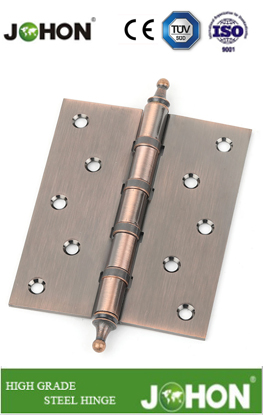
Specifying the correct material—such as heavy-duty steel square hinges for structural integrity—is critical for preventing door sag over time.
A 90-degree corner ensures a tight, flush fit against the door frame. This exact geometric match reduces micro-shifting under heavy daily loads. Radius hardware leaves microscopic gaps in the routed corners. Right-angled edges lock the metal plates directly into the wood fiber. The hardware cannot twist or slide within its pocket. This rigid physical seating translates to unmatched operational stability. High-traffic entryways rely on this exact tolerance to remain perfectly plumb over decades.
Maximized surface area contact provides a distinct mechanical advantage. Solid panels exert massive downward shear force on frame jambs. Using wood door hinges featuring squared edges disperses this stress efficiently. Lightweight hollow-core setups survive fine on minimal metal contact. Heavy wooden slabs require full mortise engagement to survive thousands of open-and-close cycles. The sharp corners increase the functional friction footprint against the framing substrate. This prevents the screws from bearing the entire weight load.
Precise physical indexing completely mitigates hinge-bind. High-traffic doors often sag when internal hardware shifts out of alignment. Square hardware sits so tightly into the frame mortise it refuses to sag. The squared wings distribute kinetic force evenly across the hinge stile. You eliminate the uneven pressure points common in badly routed curved mortises.
Best Practices for Mortise Fit Stability:
Always rout the initial pocket slightly shallower than the metal gauge.
Clear away remaining wood fibers using a sharply honed corner chisel.
Test-fit the plates dry before driving the final anchor screws.
Ensure the hardware wings sit perfectly flush against the jamb face.
Exterior doors swinging outward expose the hinge barrel to the outside world. Intruders specifically target these exposed metal pins. Removing standard pins allows an intruder to lift the door entirely out of the frame. You must address this severe vulnerability during your initial hardware specification. Standard residential hardware lacks the defensive features necessary for external barriers. Outswing setups demand specialized defensive engineering.
Non-Removable Pins are mandatory for exterior outswing setups. These pins feature a small set screw tapped directly into the barrel. When the door remains closed, the set screw is completely inaccessible. This physically blocks unauthorized pin removal. It stops simple door circumvention tactics dead in their tracks. Security-conscious builders never install exterior outswing doors without verifying NRP compliance.
Environmental exposure dictates your base metal choices. Commercial-grade steel square hinges offer exceptional tensile strength. They resist warping under extreme wind sheer or physical attack. However, bare steel rusts rapidly. You must select stainless steel or PVD-coated brass for heavy moisture climates. You balance sheer physical strength against long-term corrosion resistance. Saltwater environments demand marine-grade stainless hardware exclusively.
Hardware transitions require careful architectural planning. Passing through an entryway alters performance demands completely. Visual crossover between interior exterior hinges often looks identical. Yet physical differences in gauge thickness matter immensely. Exterior envelopes require thicker metal plates and sealed ball bearings. Interior rooms prioritize acoustic sealing and silent friction movement. Plain-bearing models fail quickly when exposed to severe weather or heavy wind drafts.
Architectural fidelity relies heavily on strict geometric choices. Craftsman and Mid-Century Modern architectural styles demand sharp, distinct angles. Contemporary minimalist designs also specify 90-degree hardware profiles. They match the harsh, straight lines of modern architectural trim perfectly. Sweeping curved hardware disrupts the visual flow of angular modern casings. Consistency in shape reinforces the overall design intent of the room.
Radius hinges frequently leave awkward visual gaps in modern wooden casings. square corner hinges provide a much cleaner, tighter reveal. The edges align flawlessly with the routed pocket. This ensures shadow lines remain completely uniform from top to bottom. High-end residential builds measure gap tolerances in fractions of a millimeter. Sharp hardware corners eliminate uneven shadowing around the door perimeter.
Mixing hardware types across a property causes massive scheduling headaches. Maintaining a uniform hardware schedule saves everyone time. You streamline the ordering process and standardize installation tooling. It drastically improves overall project aesthetics. A singular hardware style ties separate building wings together cohesively. While upfront manual tooling labor rises slightly, the long-term visual payoff justifies the initial investment.
Tooling realities dictate installation speed. Radius hardware relies on a single pass using a standard router jig. square hinges require deliberate manual corner chiseling. Specialized corner-squaring punch tools speed up this delicate process. Installers must possess higher skill levels to execute perfect 90-degree cuts. Poor chisel work leads to splintered jambs and ruined finish work.
Standard Preparation Steps:
Secure the metal router jig precisely on the door edge.
Rout the main cavity carefully to the exact gauge depth.
Strike the rounded corners firmly using a sharp corner chisel.
Clear the remaining wood fibers for a perfect 90-degree fit.
Replacing curved hardware with squared variants takes considerable time. You must manually cut out the rounded corners in the existing mortise. Labor costs multiply rapidly when retrofitting an entire commercial building. Conversely, swapping squared units for radius units proves nearly impossible. You cannot easily fill the empty right-angled corner voids. You would need wood filler, sanding, and completely new paint to hide the gaps.
Squared edges leave zero room for routing errors. A mortise cut too deep causes immediate hinge binding. The door panels will pinch against the jamb stop. If you cut it too shallow, the door will not latch properly. Installers must calibrate their router depth exactly. You face severe operational consequences if you ignore precise depth tolerances.
Common Installation Mistake: Skipping the manual chisel step and forcing square hardware into a rounded mortise damages the wood structure. It misaligns the door panels entirely.
Matching door mass to hardware height is your most critical specification step. You must systematically evaluate the slab width and gauge thickness. Heavier solid doors pull laterally against the top hinge. You combat this physical stress by increasing the hardware size and metal thickness.
Door Weight (lbs) | Door Width | Recommended Hinge Height | Hardware Gauge |
|---|---|---|---|
Up to 60 lbs | Up to 32 inches | 3.5 inches | Standard Residential |
61 - 120 lbs | Up to 36 inches | 4.0 inches | Heavy Duty |
121 - 150 lbs | Up to 48 inches | 4.5 inches | Commercial Duty |
Over 150 lbs | Over 48 inches | 5.0 inches + | Architectural Grade |
Low-traffic interior rooms function perfectly fine on standard friction models. High-traffic corridors or heavy exterior barriers demand sealed ball bearings. The bearings actively reduce lateral friction during movement. They prevent long-term metal fatigue and eliminate grinding noises. Gravity causes metal-on-metal wear over thousands of daily cycles. Ball bearings intercept this friction completely.
Final specification requires following a strict logical checklist. You must evaluate the substrate material first. Wood frames hold screws differently than hollow metal frames. Next, calculate expected daily opening cycles. High-frequency entryways fail rapidly using residential-grade hardware. Finally, you must review local compliance codes carefully. Stringent fire ratings strictly demand specific steel construction materials. You cannot legally install brass hardware on fire-rated commercial firewalls.
Square corner door hardware offers a distinct, powerful combination of structural rigidity and design fidelity. High-security potential for exterior outswing doors makes this hardware essential for modern building safety. Proper geometric seating prevents long-term sagging and operational failure. However, this superior mechanical fit requires a much higher standard of installation precision. You cannot cut corners on mortise preparation without ruining the final aesthetic.
You must actively align your hardware choices with architectural demands. Do not guess on weight capacities or gauge thicknesses. Review your complete door schedules meticulously. Always verify door weights against manufacturer load charts before purchasing hardware. When in doubt, consult a dedicated hardware specialist to finalize your project specifications.
A: Yes, but it requires manually chiseling the rounded corners of the existing mortise on both the door and the frame to accommodate the 90-degree square corners.
A: Steel offers superior structural strength for heavy doors but is prone to rust if not properly coated. For exterior use, stainless steel or PVD-coated brass is typically recommended to balance strength with corrosion resistance.
A: Standardized square corner hinges generally follow industry-standard template hole patterns (e.g., zigzag or crescent), but exterior hinges often use longer, heavier-gauge screws to anchor deeply into the framing studs.
A: Heavy solid wood doors create significant vertical and lateral friction. Ball bearings permanently lubricate and separate the hinge knuckles, ensuring smooth operation and preventing the hinge from grinding down over time.
 English